Header Logo

Have you ever caught your feline companion clawing at your sofa or favorite chair? At Sunrise Pet Hospital, our Yorba Linda, CA veterinarians frequently see pet owners struggling with cats scratching furniture and other household items. Scratching is a natural behavior for cats, but it can cause damage if not properly redirected.
This blog explores why cats scratch, the benefits of this behavior, and practical ways to redirect it. Understanding the reasons behind scratching can help you protect your furniture while supporting your feline friend’s natural instincts.
Why Cats Scratch
Scratching is an essential activity for cats. It helps them mark territory visually and with scent glands in their paws; stretch muscles in the legs, shoulders, and spine; remove old layers of claw sheaths; and relieve stress or excess energy.
Recognizing these motivations allows you to provide appropriate outlets for scratching and reduce damage to your home.
Common Reasons Cats Scratch Furniture
Cats may target furniture for several reasons:
- Territorial marking: Cats use scratching to leave visual and scent signals that define their territory.
- Exercise and stretching: Claws provide resistance for muscle stretching and joint movement.
- Stress or boredom: Cats may scratch furniture when they feel anxious or understimulated.
- Preference for texture: Sofas, chairs, or rugs may feel satisfying compared to other surfaces.
By understanding the underlying motivation, you can tailor solutions that address your cat’s needs rather than just punish the behavior.
Signs Your Cat Is Unhappy or Stressed
Excessive scratching may indicate stress or frustration. Other behavioral signs include:
- Hiding or avoiding interaction
- Excessive grooming or hair loss
- Vocalizing or yowling
- Aggression toward people or other pets
Providing environmental enrichment, interactive play, and attention can reduce stress-induced scratching.
Redirecting Scratching Behavior
Redirecting scratching requires offering alternatives that satisfy your cat’s natural instincts. Effective strategies include:
- Scratching posts: Provide sturdy, tall posts covered with carpet, sisal, or cardboard. Place them near areas your cat frequents.
- Horizontal scratchers: Many cats enjoy scratching horizontal surfaces like mats or boards.
- Furniture covers and deterrents: Protect furniture with slipcovers or double-sided tape, which cats dislike touching.
- Positive reinforcement: Reward your cat with treats, praise, or petting when they use the appropriate scratching surfaces.
Consistency is key—redirecting behavior gradually ensures long-term success.
Choosing the Right Scratching Post
Selecting the proper scratching post can make all the difference:
- Height: A post should be tall enough for your cat to fully stretch.
- Stability: Posts must be sturdy and not tip over during use.
- Material: Cats prefer rough textures like sisal, carpet, or corrugated cardboard.
- Location: Place posts near favorite furniture or in high-traffic areas to encourage use.
Experiment with multiple posts and textures to see what your cat prefers.
Encouraging Use of Scratching Posts
Introducing scratching posts effectively involves a combination of attraction and positive reinforcement:
- Rub catnip on the posts to attract your feline friend
- Gently move the cat’s paws along the post to demonstrate scratching motion
- Reward each successful interaction with treats or praise
- Keep multiple posts in different locations to increase accessibility
Gradually, your cat will learn to associate appropriate surfaces with scratching satisfaction.
Additional Behavioral Support
If scratching continues despite providing alternatives, your veterinary team can help evaluate environmental or behavioral factors. Options include:
- Behavioral counseling to address anxiety, boredom, or multi-cat conflicts
- Environmental enrichment through interactive toys, climbing structures, or window perches
- Routine play sessions to burn energy and reduce stress-induced scratching
Addressing the root cause improves both your cat’s wellbeing and your household harmony.
Protecting Furniture While Training
While your cat learns new habits, you can take temporary measures to protect furniture:
- Cover furniture with removable cloths or plastic protectors
- Apply double-sided tape to discouraged areas
- Keep nails trimmed or use soft nail caps as a temporary solution
- Rotate enrichment toys to keep your cat engaged and distracted from furniture
Patience and consistency are essential to ensure success.
Monitoring Progress
Observe your cat’s response to training and redirection. Positive signs include:
- Using scratching posts instead of furniture
- Decreased attempts to scratch prohibited surfaces
- Increased engagement in play and environmental enrichment
Celebrate successes and adjust strategies if certain areas continue to be problematic.
Chewy did an article on why cats scratch, which you can read here. Humane World for animals also has a post on scratching in kitties. Click here for that one.
Frequently Asked Questions About Cat Scratching
Why do cats scratch furniture instead of posts?
Cats may prefer certain textures, locations, or surfaces. Offering multiple posts near favorite areas often redirects scratching.
Can scratching be prevented entirely?
No. Scratching is a natural and healthy behavior. The goal is to redirect it to appropriate surfaces, not eliminate it.
Are nail caps safe for cats?
Yes. Soft nail caps are safe and temporary solutions. They must be applied correctly and replaced periodically.
How do I know if scratching is stress-related?
Excessive or destructive scratching, combined with hiding, over-grooming, or aggression, may indicate stress or anxiety.
Can behavioral counseling help?
Yes. Veterinary behavioral counseling can provide targeted strategies for stress reduction, environmental enrichment, and redirection of scratching behavior.
Visit Our Yorba Linda, CA Veterinary Clinic for Support
Redirecting cats scratching furniture effectively requires patience, proper enrichment, and sometimes professional guidance. At Sunrise Pet Hospital, our Yorba Linda, CA veterinarians provide behavioral counseling, environmental suggestions, and hands-on guidance to help your feline companion thrive. If you are searching for a “vet near me” in Yorba Linda, call our clinic today to schedule a consultation and protect your furniture while supporting your cat’s natural behaviors.
This blog is intended for informational purposes only. Always consult with your veterinarian for accurate medical advice, diagnosis, or treatment options for your pet and follow their professional guidance.
Are you looking for a great animal hospital in Anaheim or Yorba Linda? Visit our Service page here to learn more about our animal hospital and the services we offer. You can also find out more about our boarding services here and grooming services here.

Tips for Taking Your Dog to the Beach in California

Destructive Chewing in Dogs: Behavior Causes and Solutions

Canine Arthritis: Symptoms, Treatments, and Laser Therapy
Reasons to Adopt a Senior Pet and Give Them a Home
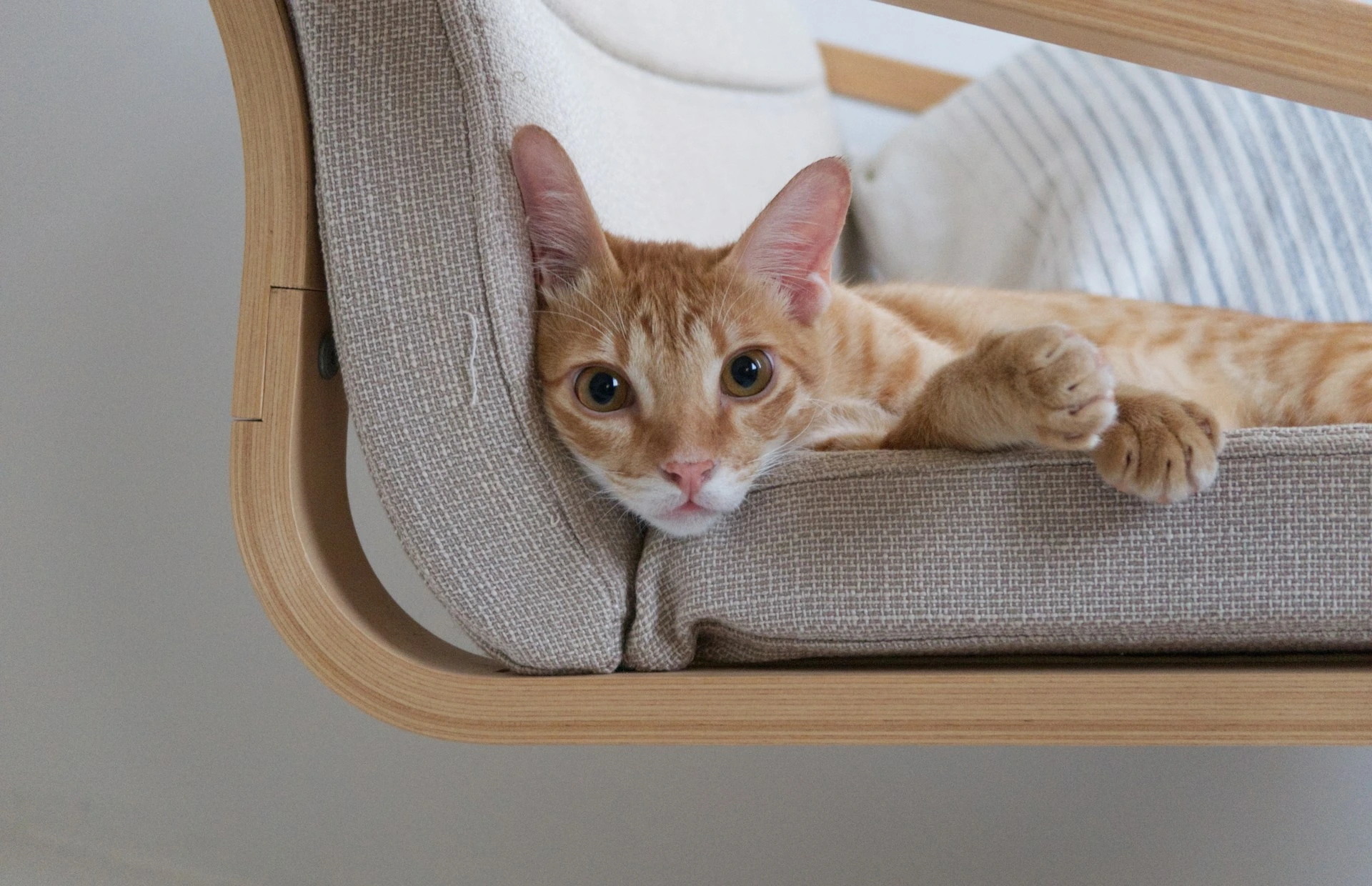
Why Cats Scratch Furniture and How to Redirect the Behavior

Daily Dental Care for Cats and Dogs: At-Home Best Practices

Aggression in Dogs: Common Triggers and Professional Help

Dog Nutrition Basics: Choosing the Right Food for Every Age

How Playtime Helps Reduce Anxiety and Stress in Cats